Science & Research
George Eby’s Original Pilot Study (1996)
“Oral Gallium Nitrate Restores Soundness in Horses with Navicular Disease: A Pilot Study of 100 Horses”
Gallium nitrate’s main effects in navicular disease are in inhibiting bone resorption through its effects on bone osteoclasts (like Tildren®), and second through its effects in stimulating bone formation through action on osteoblasts (bone-forming cells). Both of these benefits are explained in Sections IV A and B of Mechanisms of Therapeutic Activity for Gallium. It also has potent anti-inflammatory and anti-pain properties. See Pharmacokinetics of gallium nitrate after oral administration in adult horses, as this article is a precursor article to a gallium nitrate for navicular disease clinical study to be published soon. See our equine-related testimonials and other equine uses of gallium nitrate.
ABSTRACT
Navicular disease, also termed navicular syndrome or caudal heel syndrome, in horses cause much foot pain and lameness. Classical treatments often do not provide satisfactory results and the horse remains lame and occasionally the horse must be euthanized. Little is known of the etiology of navicular disease. A hypothesis was advanced that gallium nitrate, a compound reported to have anti-inflammatory, anti-bacterial, anti-hypercalcemic and anti-bone-resorptive activity, would be a safe and effective treatment for navicular syndrome. Horses diagnosed with navicular syndrome, and non-responsive to classical treatments were treated orally with 500 cc of a one percent gallium nitrate (1.36 grams elemental gallium/day) aqueous solution. Treatment reduced mean pain scores fifty percent within 14 days, as measured using a five point scale of observed lameness. Mean pain scores for the second two-week period were statistically lower than the mean pain scores of the first two-week period (p < 0.0001). Complete soundness was achieved in 33 out of 83 horses in less than 28 days, with 24 out of the remaining 50 horses showing improvement in that period, for a total of 57 (69%) horses becoming better. None were worsened and none were euthanized. Most horses remained sound long after treatment ended. No side effects, toxicity or sequela were reported. Oral gallium nitrate is new and effective treatment for navicular syndrome that appears much more effective than previous treatments, and it is becoming a first-line treatment for navicular syndrome. Future trials and field use of gallium nitrate to treat navicular syndrome in horses should follow a continuous dosage protocol, not the two-week on / two-week off protocol described here.
INTRODUCTION
In the horse, the navicular bone is located directly behind the coffin bone of the foot and is held in place by tendons and ligaments. The navicular bone protects the joint and tendons from pressure and concussive forces. It also functions as a pulley for the deep digital flexor tendon, taking some of the stress off the coffin bone during movement. Pathological abnormalities in foot lame horses often involve not only the navicular bone but also the distal sesamoid ligament and navicular bursa. Navicular syndrome have been suggested to be of an arthritic nature.[1] Other possible causes of navicular syndrome include increased pressure inside the bone, adhesions between the navicular bursa and the deep digital flexor tendon and inflammation. The pathogenesis of navicular disease and navicular bone related lameness in horses remain poorly understood and no clear etiology exists despite the high incidence of foot-related lameness in horses.[2]
Diagnosis of navicular syndrome is usually preceded by the horse owner’s concern about lameness, and is confirmed upon noting a favorable response to palmar digital nerve block. Classically, lameness from navicular syndrome is treated with rest, hyaluronic acid, anti-inflammatory drugs such as cortisone or phenylbutazone (bute) and isoxsuprine, corrective shoes, neurectomy, and in severe cases euthanization. Often there is little benefit from classical treatment and pain and lameness continues regardless of treatment.
In 1996 the author’s horse was diagnosed with severe navicular syndrome. Rest, isoxsuprine, phenylbutazone and corrective shoeing were unsuccessful. The horse remained in severe pain and he was recommended to be euthanized. Since no clear etiology of navicular syndrome existed, a hypothesis was advanced that Aluminum(III) ion contamination of the navicular region from aluminum shoes was the cause of his navicular pain. Aluminum(III) ions are one important, previously unrecognized cause of bone resorption and osteomalacia. This change occurs in all mature vertebrates not associated with Vitamin D deficiency.[3] Aluminum(III) in bone causes bone pain and proximal myopathy in all vertebrate species tested.
On the other hand, Gallium(III) has been shown efficacious in treating bone diseases, especially in the inhibition of bone resorption and bone repair,[4,5,6] and pain prevention suggesting the working hypothesis that Gallium(III) would be effective in treating navicular pain, perhaps by displacing Aluminum(III).
A one percent gallium nitrate solution (5 grams in 500 cc water) given each day on the horse’s feed was started. The dosage was prorated from human cancer-related hypercalcemia treatments.[7] Soundness occurred in less than two weeks of treatment. Continued treatment essentially prevented all lameness over the following 10 years. This horse relapsed after 4 to 6 months without gallium nitrate on two occasions, demonstrating the necessity of continued treatment to keep him sound. This horse has severe grooves in the navicular bone of the left front foot, which did not change on X-ray examination during 10 years of gallium treatment. Treatment of other horses with gallium nitrate also appeared successful, meriting this pilot study.
All horses in this study had been diagnosed as having navicular disease or navicular syndrome by veterinarians, and several had navicular disorders in more than one foot and/or had other foot and leg lameness issues, including arthritis, tendinitis and bursitis. Their prognosis had each been described as “poor” by their veterinarians, and their responses to classical treatments had failed. Consequently, their owners sought an alternative medicine treatment in gallium nitrate.
The intention of this investigation was to determine the effects of gallium nitrate in reducing the severity of lameness, and to determine to what extent horses with navicular syndrome and lameness could be made sound within a single two week treatment period. Statistical analysis compared pain scores during the 2-week treatment period against pain scores during the following 2-week off treatment period. After explaining to the horse owners the possible benefits and potential risks based upon the previous observations from use of gallium nitrate to treat navicular syndrome, and of its use in humans for a number of bone-related disorders, informed consent was obtained and this study was performed in an out-patient environment.
MATERIALS AND METHODS
Commercially pure gallium nitrate (99.99%) from Recapture Metals, Inc., Blanding, Utah, USA, was used in this investigation. Each 500 cc bottle contained 70 grams of gallium nitrate (14% gallium nitrate equivalent to 19 grams elemental gallium) in water. The 14% solution had a pH of 1.5.
One hundred owners of horses with navicular disease or navicular pain enrolled their horses in this study. Owners were instructed to dilute the 14% concentrate into fourteen, one-percent gallium nitrate daily doses (equivalent to 1.36 grams of elemental gallium per day) in 500 cc water bottles for each 540 kg (1200 pound) horse. One 500 cc bottle of one-percent gallium nitrate solution per day was to be poured onto the horse’s feed for fourteen days, followed by fourteen days without gallium treatment. No placebos were used.
Owners were instructed in filling out their daily diary report form using the following “0” to “4” pain scores:
- Pain score “0” – horse stands, walks, trots, canters, gallops and runs with no visible evidence of lameness.
- Pain score “1” – horse is slightly lame in at least one gait.
- Pain score “2” – horse is too lame to move comfortably, and moves with difficulty.
- Pain score “3” – horse is severely lame, is in pain and moves with difficulty by withholding most weight from the navicular foot.
- Pain score “4” – horse is extremely lame, and is in apparent extreme pain (holds foot off ground) at nearly all times. Possible candidate for euthanasia.
Soundness observations of each horse were performed each day by the owner. Treatment was to be continued at the owners’ discretion for any number of 2-week on-treatment and 2-week off-treatment cycles. Daily diary records were made each day of each 28-day study period. Work was restricted in all horses. To minimize exogenous influences, owners were instructed not to make any changes in their horse’s care during the 28 day study other than to give them gallium nitrate.
RESULTS
Complete reports were received for 83 horses. The remaining reports were not received for evaluation. Post study telephone calls revealed that the non responders did not treat their horses with gallium nitrate.
Response to Treatment
Figure one shows the effect of oral gallium nitrate on pain scores in 83 horses during the 28-day reporting period. Analysis of these reports showed that there was more than a fifty percent reduction in pain scores by the fourteenth day of oral gallium nitrate treatment. Upon cessation of gallium on day 14, symptoms severity remained essentially unchanged during the following 14 days, showing the residual effect of gallium nitrate treatment.
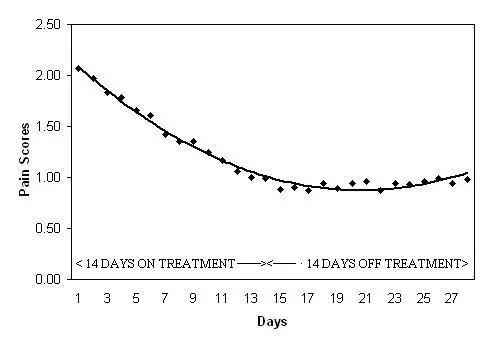
Figure 1. Effect of gallium nitrate treatment on mean pain scores with treatment given only during the first 14 days
The response to treatment suggested that gallium nitrate might be curative because pain scores only slightly returned at the end of the two week off treatment period, in support of pre-trial observations. For comparison, the half life of gallium nitrate in human serum is less than one day.[6] Since the same samples were tested against two different treatments (mean pain scores over the 14 days on gallium nitrate vs. mean pain scores over the 14 days off treatment), an ANOVA-Single Factor test was performed, which resulted in p-value < 0.0001. Not only were the results of treatment statistically significant, the benefits of treatment were meaningful.
As shown in Figure 2, by the fourteenth day, 28 horses were sound. Five other horses also became sound during the following 14 days, even though they were off gallium treatment.
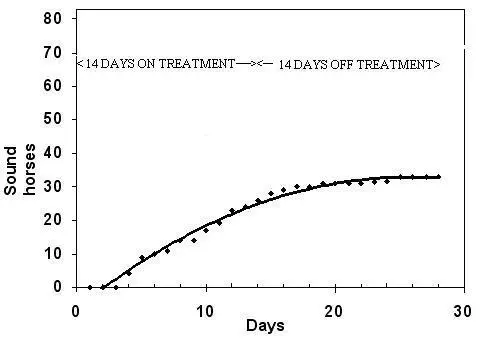
Figure 2. Number of horses sound on each day after initiation of gallium nitrate treatment for 14 days
In addition to the 33 (40%) reports which showed complete soundness within the first 28 days, 24 (29%) other reports showed horses had improved, while 26 reports showed remaining lameness had not changed. None worsened. Consequently, more than two-thirds (69%) of the horses had improvement within the 28 day study period.
Examination of some characteristics of these horses showed that nearly 90 percent of them were not being given any other treatment during gallium treatment, with the remainder being also given bute and/or isoxsuprine. Only one had undergone neurectomy prior to gallium. Forty percent of these horses did not have special shoes, 33 percent were fitted with egg bar shoes, 15 percent were barefoot and the remainder had a variety of foot ware. Sixty percent of the horses in this trial were American quarter horses, 14 percent were warmbloods and the remainder were other breeds. The average age was 10, with the youngest being 4 and the oldest being 30. These characteristics appeared to have no effect on the outcome of this investigation.
Side effects from gallium nitrate treatment for navicular syndrome reported were:
- Overly exuberant behavior – (bucked, kicked, reared, levaded, or ran away when first turned out) – 15
- Slight appetite loss because of wet feed – 7
There were no harmful side effects reported. However, overly exuberant behavior occurring for a few minutes in newly sound horses was a concern, but this behavior did not result in injury or further lameness to any horse.
Other Observations
No gastrointestinal issues or colic emerged in these or any other gallium-treated horses. There were no instances of infections, diseases or injuries reported to have affected the horses or treatment results. Blood counts remained normal, although low-normal red and white cell counts were observed in several ponies being fed the normal 500 cc dose of the one percent solution. This suggests that dosage be proportionately reduced and increased in horses significantly smaller and larger than 540 kg. The daily dose was often split to reduce feed water content, giving half in the morning and half in the evening. Splitting dosages helped to insure that all gallium nitrate offered was ingested. Although some horses were slow in eating gallium nitrate solution-wetted feed, none refused to eat it. There were no reasons reported to stop gallium treatment.
DISCUSSION
Navicular disorders may result from an inflammation of the navicular bone and/or bursa. Occasionally, cysts in the navicular bone are evident. Navicular disorders also include degenerative heel lameness, which may involve the navicular bone, navicular bursa, deep digital flexor tendon, and the coffin joint. a.k.a: navicular syndrome, and it is assumed that a variety of these foot disorders were prevalent in these horses. These navicular disorders, although described in various ways, nearly always result in lameness from foot pain, and it limits the utility and value of horses and indirectly limits their life-span. It is hypothesized that some of these disorders are caused by Aluminum(III) contamination. Regardless, gallium nitrate eliminated pain and restored soundness in these horses when other treatments failed.
Data on the effects of gallium nitrate in these horses after the first month, extending in some cases 24 months and in several cases 5 to 10 years, was also collected. However, pain score data from those observations can not be presented here because not all horses were kept on gallium nitrate for more than 14 days because they had become sound and were no longer in the study. These limitations precluded reporting statistically valid data after the first month. Therefore, only an overview of additional observations from those later reports is presented.
Generally, the data and owners’ comments showed that gallium nitrate given for 6 months terminated lameness in more than ninety percent of these horses, regardless of the severity of initial lameness. The remaining horses appeared sounder and none were reported to have became worse. However, only one horse presented with an initial pain score of 4.0 and that horse improved only by a single point in 28 days. Horses with very severe navicular disorders required gallium as long as there was a desire for them to remain improved or sound. One normal, quiet foal was conceived, carried and delivered while the mother was being given gallium nitrate, suggesting lack of gestational toxicity.
Mechanisms of Gallium(III) Action
Gallium is a potent inhibitor of bone resorption that acts to maintain and restore bone mass in all vertebrate species.[4, 5, 6] Another inhibitor of bone resorption, tiludronate, has been used effectively to treat navicular disease in horses, restoring soundness in 2 to 6 months.[8]
Gallium(III) has also been shown to inhibit production of inflammatory cytokines, such as IL-1 beta (associated with rheumatoid arthritis), produced by macrophage-like cells.[9, 10] A dose-dependent inhibition of IL-1 beta and tissue-type plasminogen activator (tPA) stimulated MMP activity by gallium nitrate at increasing concentrations occurs, demonstrating that gallium nitrate can be a useful modulator of inflammation in arthritis. Immunosuppression, possibly of inflammatory cytokines, appears involved in these benefits.[5] For example, gallium nitrate suppresses lupus, an autoimmune inflammatory disorder, in mice.[11]
Unlike cortisone and other steroids, gallium(III)-induced immunosuppression is not harmful, because it affects only abnormally activated immune cells, such as macrophages, and abnormal interactions between immune cells, such as between macrophages and T cell lymphocytes. Additionally, corticosteroids cause calcium loss from bones, while gallium rapidly restores calcium to bone, and it is an effective and rapid acting treatment for hypercalcemia and osteoporosis.[4, 5, 6]
The dominant mechanism producing gallium’s anti-proliferative and antimicrobial activity is its ability to act as a chemically irreducible ferric iron analog.[9] By this and other mechanisms, gallium inhibits bone resorption, stimulates healthy bone formation, increases Type I collagen production, inhibits excessive parathyroid hormone secretion, and inhibits secretion of interleukin 6 (IL-6) and other pro-inflammatory cytokines. Gallium(III) modulates immune activity and strongly concentrates at sites of both inflammation and infection.
Clearly, gallium has biological activities that help to explain its effectiveness in the treatment of navicular disorders and arthritis. Its benefits extend also to laminitis, which is marked by great increases in IL-1 beta and IL-6,[12] both of which are readily controlled by Gallium(III) in a dose dependent manner.[5, 9, 10]
Some caretakers of these horses reported that their arthritic hands were free of arthritis for years from immersing their hands in gallium nitrate solutions being prepared for horses, prompting a report of the effects of oral and topical gallium nitrate in treating human arthritis.[13] In arthritis, Gallium(III) appears effective as an antibacterial agent, killing iron dependent bacteria and mycobacteria that can cause arthritis, and as an anti-inflammatory agent.
Perhaps there is a microbial component that may be benefited as there is in arthritis, particularly where there is blood in the navicular bursa. As examples of antimicrobial activity, gallium has shown efficacy in treating experimental syphilis in rabbits and eliminating Trypanosoma evansi parasites from infected mice, killing Mycobacterium tuberculosis and Mycobacterium avium complex and killing malarial parasites.[9] Gallium, particularly gallium maltolate, was found to be antibacterial to Rhodococcus equi, which causes foal pneumonia.[14] The anti-bacterial activity of gallium(III) seems very broad, and its activity likely stems from its ability to enter microbes through their iron transport mechanisms, to disrupt their iron metabolism, and to interfere with their DNA and protein synthesis.[9] The ability of transferrin-bound gallium to enter infected cells through the transferrin receptor may be an advantage in treating some intracellular infections.
Remarks
Gallium is reported to ameliorate hepatocellular injury and protect against necrosis in murine models of septic shock and hepatitis.[15, 16] Similarly, in open field use over a 10-year period to treat navicular pain, there have been no reports of hepatic or renal injury in horses attributable to gallium nitrate. At the time of this writing, over 50,000 daily doses (500 cc of 1% GN) have been administered for navicular pain and other foot pain with no reports of toxicity, performance degradation or injury.
Radioactive gallium-67 has long been used in radiography due to its ability to strongly concentrate in tumors and inflamed tissues.[17] Consequently, the ability of much larger therapeutic doses of non-radioactive gallium(III) to accumulate and remain in inflamed tissues now can be seen as having great importance in the treatment of inflammatory conditions with utility far beyond navicular pain. Any time steroids are indicated, consideration should also be given to gallium, particularly if there is a concern for bone density.
Oral doses identical to those used to treat navicular syndrome were also found to be useful in restoring soundness in a few horses from laminitis, coffin bone separation, tendinitis, bursitis and founder (no data presented), each of which has a strong inflammatory component. Topical application of 14% gallium nitrate solutions to thrushy feet, swollen legs and sole abscesses nearly immediately terminated pain and swelling and restored soundness in one horse each.
Intravenous gallium nitrate is strongly discouraged, due to the potential for kidney damage. Renal toxicity associated with rapid intravenous dosing of gallium nitrate does not appear when gallium nitrate is administered orally, since the gallium becomes protein bound in the serum and is excreted primarily via the intestinal tract and not the kidneys.[4] Nephrotoxicity, if it occurs, should be immediately treated by thorough re-hydration for several days. The pH of gallium nitrate solutions for topical use should not be less than 1.5 to avoid skin irritation. One percent solutions have an astringent mouth-feel in humans, and stronger solutions may not be palatable to horses. Concentrations substantially over 42% and solid gallium nitrate are not suitable for use in veterinary medicine due to the oxidative nature of the nitrate moiety. The gallium nitrate used in this trial was not Ganite®, a proprietary, citrated form of gallium nitrate, which is inconsistently termed “gallium nitrate”.
Perhaps the hypothesis of Aluminum(III) ion contamination as a cause of some cases of navicular disease and pain is accurate since it is known to cause bone pain, osteomalacia and proximal myopathy in all vertebrate species tested.[3, 18, 19] Adding support to this hypothesis are observations of aluminum horseshoes being associated with navicular discomfort. Not previously considered as a cause of navicular pain, aluminum shoes nailed in place with steel nails create an aluminum-iron battery in wet acidic conditions, which might concentrate aluminum(III) ions in the foot through electrophoretic means. Some of these horses were extremely sensitive to nailed-on aluminum shoes, and could not be made sound with gallium nitrate while wearing them and required 6 weeks without aluminum shoes before gallium became effective. Although this is not yet an indictment of nailed-on aluminum shoes, horses that become lame while using them may be hypersensitive to aluminum ion. Aluminum silicate clay soils also release aluminum(III) in acidic (urine and acid rain) conditions.
Although it is dangerous to ascribe human emotions to animals, the notion of “joy from being pain free” is suggested as being the cause of over exuberant behavior on first turnout.
CONCLUSIONS
Gallium nitrate appears to be an effective and safe alternative treatment in the care of horses with painful navicular disorders and related foot pain although the exact mechanism of action remains to be elucidated. Aluminum(III) contamination may be a cause of navicular pain. Future clinical trials and field use of gallium nitrate to treat navicular disease and pain, arthritis, laminitis and related foot conditions in horses should follow a continuous dosage protocol, not the two-week on and two-week off protocol described here. Horses (540 kg bwt) should be given a 500 cc dose of a one percent gallium nitrate solution (1.36 grams elemental gallium per day), with proportional variations in dosage dependent upon weight. Treatment should be given for a minimum of 2 months, and preferably 6 months. Horses may be either maintained or treated prophylactically with gallium nitrate, perhaps at one half the above daily dose. Proper usage of gallium nitrate should rapidly restore soundness and eliminate the need for euthanasia for navicular syndrome, foot pain and associated lameness. If sufficient gallium were an ingredient in horse feed, lameness from navicular pain and other bone/joint inflammatory disorders probably would not occur.
ACKNOWLEDGMENTS
I thank Lawrence R. Bernstein for constructive comments and Karen Lynn for statistical analyses.
REFERENCES
1. Svalastoga E, Nielsen K. Navicular disease in the horse. The synovial membrane of bursa podotrochlearis. Nord Vet Med. 1983;35:28-30.
2. Blunden A, Dyson S, Murray R and Schramme M. Histopathology in horses with chronic palmar foot pain and age-matched controls. Part 1: Navicular bone and related structures. Equine Vet. J. 2006;38:15-22.
3. Alfrey AC. Toxicity of detrimental metal ions – Aluminum. In: Handbook of Metal-Ligand Interactions Biological Fluids – Bioinorganic Medicine, Volume 2, Berthon G (Ed.), Marcel Dekker, Inc., New York. 1995, pp. 735 – 742.
4. Warrell RP Jr. Gallium for Treatment of Bone Diseases. In: Handbook of Metal-Ligand Interactions in Biological Fluids – Bioinorganic Medicine, Volume 2, Berthon G (Ed.), Marcel Dekker, Inc., New York. 1995, pp. 1253 – 1265.
5. Apseloff G. Therapeutic uses of gallium nitrate: past, present, and future. Am J Ther. 1999;6:327-39.
6. Bockman R. The effects of gallium nitrate on bone resorption. Semin Oncol. 2003;30:5-12.
7. Collery P, Keppler B, Madoulet C, Desoize B. Gallium in cancer treatment. Crit Rev Oncol Hematol. 2002;42:283-96.
8. Denoix JM, Thibaud D, Riccio B. Tiludronate as a new therapeutic agent in the treatment of navicular disease: a double-blind placebo-controlled clinical trial. Equine Vet J. 2003; 35:407-13.
9. Bernstein LR. Mechanisms of Therapeutic Activity for Gallium. Pharmacol. Rev. 1998;50:665-682.
10. Panagakos FS, Kumar E, Venescar C, Guidon P. The effect of gallium nitrate on synoviocyte MMP activity. Biochimie. 2000;82:147-51.
11. Apseloff G., Hackshaw KV, Whitacre C, Weisbrode SE, Gerber N. Gallium nitrate suppresses lupus in MRL/lpr mice. Naunyn Schmiedeberg’s Arch Pharmacol. 1997;356:517-25.
12. Belknap JK, Giguère S, Pettigrew A., Cochran AM, Van Eps AW and Pollitt CC. Lamellar pro-inflammatory cytokine expression patterns in laminitis at the developmental stage and at the onset of lameness: innate vs. adaptive immune response. Equine Vet. J. 2006 (in press).
13. Eby G. Elimination of arthritis pain and inflammation for over 2 years with a single 90 min, topical 14% gallium nitrate treatment: case reports and review of actions of Gallium(III). Med Hypotheses. 2005;65:1136-41.
14. Harrington JR, Martens RJ, Cohen ND, Bernstein LR. Antimicrobial activity of gallium against virulent Rhodococcus equi in vitro and in vivo. J Vet Pharmacol & Ther. 2005;29:121-7.
15. Krecic ME, Mullet D, Shepard DR, Apseloff G, Weisbrode SE, Zaveri N. Gallium nitrate inhibits nitric oxide in vitro and attenuates lipopolysaccharide-induced hepatitis in Balb/c mice in vivo. In: Proceedings of 6th INWIN, Geneva, 1995, pp. 101-104.
16. Krecic-Shepard ME, Shepard DR, Mullet D, Apseloff G, Weisbrode SE, Gerber N. Gallium nitrate suppresses the production of nitric oxide and liver damage in a murine model of LPS-induced septic shock. Life Sci. 1999;65:1359-71.
17. Lamoureux F. and Chartrand R. Gallium-67 and its value in the detection of cancerous and inflammatory lesions. Union Med Can. 1977;106:738-43.
18. Berthon G. Aluminum speciation in relation to aluminum bioavailability, metabolism and toxicity. Coord Chem Rev. 2002;228:319-41.
19. Zatta P, Kiss, T, Suwalsky M, Berthon G. Aluminum (III) as a promoter of cellular oxidation. Coord Chem Rev. 2002;228:271-284.
“Is Navicular Disease in Horses Curable using Gallium Nitrate?”
Written by George Eby, Copyright 1996-2015
From our experimental results, with appropriate Gallium treatment, absolutely yes for early stages of the disease. Even the most severe and otherwise lethal case respond to gallium nitrate treatment by going sound within a few months. However, from a historical (and veterinarian perspective), it has not been. For example, steel egg bar shoes, more upright shoeing (but not too much) possibly with corrective shoeing were the best bets in the early stages, with nerving performed in the later stages. Correct farrier techniques remain indispensable. There are some who say that incorrect shoeing causes navicular disease. Although this is likely true, I think navicular disease is more of an environmental degradation problem.
However, without appropriate gallium nitrate treatment, the disease is degenerative, worsens progressively, and eventually, the navicular diseased horse becomes no longer useful, remains a cripple for the rest of its life, is nervetomized or is euthanized. Appropriate gallium nitrate treatment, as described below, is the only known means of restoring most navicular diseased horses to health. For example, after 8 years of treatment with gallium nitrate, my horse Don Dee, has responded by having no further degradation observed in 2004 than he had in 1997. See 2003 letter from his latest veterinarian here.
The navicular bone of a horse acts as a fulcrum over which flexor tendons from the back of the leg attach to the coffin bone in the foot. This fulcrum is subject to both compressive and surface shear forces, perhaps not exceeded by any other bone in the horse. That navicular disease (osteomalacia) of the navicular bone in horses starts as result of a trauma, over-exertion, malnutrition and combinations is generally accepted as causal. The navicular bone is also the least vascularized bone in the horse. Often blood thinners are given supposedly to improve circulation, however, evidence has been published that these blood thinners do little or nothing for the disease. There is often much swelling of the flexor tendon.
NOTE: The following text (down to FAQs) was written between 1996 and about 2002 and it mainly shows the theoretical reasons why I first tested gallium nitrate against navicular disease. It was based upon a relationship between gallium (beneficial to bone/joints) and aluminum (harmful to bone/joint). The theory was simple. Add enough gallium to displace aluminum, an effect that would occur due to their extremely close physical and chemical properties, thus if aluminum was the problem, it would be displaced and benefits would occur. In about 2002, the notion that gallium nitrate was a “bone resorption inhibitor” was added. Yet, neither of these two effects can explain the full benefits clearly observed using gallium nitrate to treat navicular disease. It was not until people convinced me in about 2003 that gallium nitrate was good for human arthritis that I made a diligent search for more reasons to explain the full spectrum of benefits of gallium nitrate for bone/joint benefit. Since navicular disease is a bone/joint problem very similar to arthritis, I believe that the benefits are the same. Actually, navicular disease is a bit more difficult to treat than arthritis. Rather than describe these benefits fully on this page, they are explained in my medical journal article on gallium and arthritis. Veterinarians, physicians and scientists will want to examine the list of benefits and effects of gallium nitrate in the Discussion section, and see the thorough discussion of the effects of gallium by Larry Bernstein (Mechanisms of Therapeutic Activity for Gallium). Also, in the FAQs of this current article, there is a list of other benefits of gallium nitrate, which is very broad and is likely to increase much further.
On the other hand, hundreds of recent reports from cancer research show that positively charged, trivalent Aluminum ions AL (III) are one important, previously unrecognized cause of bone resorption and osteomalacia (bone softening, crushing, and breaking) and in particular, it is the cause of surface bone loss. This change occurs in all mature vertebrates not associated with Vitamin D deficiency.
AL (III) in bone causes bone pain and proximal myopathy (disorders of adjoining muscles and tissues) in all vertebrate species tested. (REF. 1)
In blood chemistry experiments at Cornell Veterinary Clinic with mature ponies, a basal amount of 336 parts per million (ppm) Aluminum was naturally found in feed consisting of one third each of oats, beet pulp, and a commercial pelleted, complete horse ration. Between the basal amount of Aluminum and the diet supplemented to 1370 ppm Aluminum, there was little difference in effect on absorption, retention and pathway excretion of calcium, phosphorus, magnesium, zinc, iron and copper. (REF. 2)
However, the ponies fed the same diet containing 4500 ppm Aluminum were in negative phosphorus balance because phosphorus absorption was greatly suppressed. Calcium absorption was unaffected by 4500 ppm Aluminum intake from their food, but the ponies were in negative calcium balance due to the their greater urinary excretion of calcium. Presumably, calcium was excreted in urine because it was not being utilized in the formation of bone crystals because of the lack of phosphate. Plasma calcium was always elevated and plasma phosphorus was always depressed when ponies were fed the 4500 ppm Aluminum diet. Plasma hydroxyproline concentration was increased with high Aluminum intake showing bone turnover was increased due to Aluminum effects on phosphorus and calcium metabolism. Magnesium, zinc, iron and copper metabolism were unaffected by Aluminum intake. (REF. 2)
The similarities between bone disorders caused by AL (III) ion in man, laboratory animals and ponies, and navicular disease in horses sound strikingly similar, and offer for the first time ever, real hope for a either stopping the degenerative process or possibly even a cure (restoration of the navicular bone to normalcy).
Why Aluminum now? Aluminum is the third most abundant element on the surface of the Earth. It has been held captive in rock biologically unavailable for 3 billion years. Now, industrialization has resulted in acid rains that have decreased the pH of lake waters to the point where AL (III) ion is leached out of rocks and soil. AL (III) ion is so toxic that fish can live in acidic water, but not in equally acidic water with 5 micro Mol/L of Aluminum ion. (REF. 3)
All vertebrate species, including man and horses, can pick up biologically available AL (III) ion from plants and grasses contaminated with Aluminum leached from rock by acid rain. In humans, tea from plants grown in acidic soil is believed to be a prime cause of osteoporosis and dementia ranging from Parkinson’s disease to Alzheimer’s disease, but only when citric acid (lemon or lime juice) is added and consumed regularly over a number of years. Adding milk to tea detoxifies Aluminum. Aluminum (III) ion has no biological role in vertebrate life-forms, and is always considered to be a cytotoxin, bone toxin and a neurotoxin. Clinical signs of AL (III) ion toxicity in humans are vitamin D-resistant osteomalacia, iron adequate microcytic anemia, and dialysis dementia. (REF. 3)
In horses, a symptom of AL (III) neurotoxicity has been suggested by Henry Heymering RJF, of Cascade, MD, to be an intolerance to gentle petting, or rubbing, while tolerating well hard slaps on the neck. This symptom has been reported by others and is also my observation. I have found it to reverse after about a year of treatment with gallium nitrate. Henry has found toxic levels of Aluminum in hair samples of several navicular horses, but also in several non-navicular horses. (REF. 4) It is suggested that a finding of toxic concentration of Aluminum in hair samples taken near the base of the hair in non-navicular horses should be interpreted as a necessary pre-condition for development of Aluminum ion-induced navicular disease.
Aluminum is a group IIIa element under boron in the periodic table of the elements. In some complex boron-containing biomolecules, boron prevents bone resorption in laboratory animals, exactly the reverse of Aluminum, and similar to Gallium, although no testing has been done in treating navicular disease.
Below Aluminum in the periodic table is Gallium, a liquid metal at room temperature. Gallium, in considerable excess over Aluminum, effectively competes with Aluminum for absorption in bone and beneficially displaces Aluminum; similar to the way that immunoregulatory zinc replaces carcinogenic cadmium from tobacco smoke in lung tissue.
According to Raymond P. Warrell, Jr., M.D., previously of the Memorial Sloan Kettering Cancer Center in New York City, elemental Gallium and its various compounds are potent inhibitors of bone resorption that act to maintain and restore bone mass in all vertebrate species. By virtue of these biological effects, Gallium compounds (mainly gallium nitrate) are useful treatments for a variety of human diseases that are characterized by accelerated bone loss, including cancer-related hypercalcemia (including multiple myeloma, and breast cancer), bone metastases, Paget’s disease, and postmenopausal osteoporosis. (REF. 5) See his 1987 on-line article here. A web site for nurses concerning uses of intravenous gallium nitrate (GaniteR) administration as an antihypercalcemic agent suggests that it produces its hypocalcemic effect by inhibiting calcium resorption from bone, perhaps by reducing disease produced increased bone turnover. Information from Med Line Plus Health Service concerning gallium nitrate injectable is also available. Based upon our pioneering work with oral gallium nitrate in horses, Dr. Warrell has started an oral program of gallium nitrate (GaniteR) for humans.
Another inhibitor of bone resorption, tiludronate has been used somewhat effectively to treat recent onset navicular disease in horses (symptoms began within 2 to 6 months of treatment), but not for chronic navicular disease (symptoms for more than 6 months prior to treatment). Tiludronate is one of the bisphosphonates. See the full article here (10 MB PDF). Dr. Warrell tested another bisphosphonate, (etidronate), and found gallium nitrate superior. Consequently, there is precedent for using agents that restore calcium to bone in the treatment of navicular disease. Unfortunately, tiludronate has been reported as toxic and is administered only in a veterinary hospital, and it is less effective than gallium nitrate. Gallium nitrate is also a potent anti-inflammatory also, making it vastly superior. Dr. Warrell also tested another bisphosphonate, pamidronate; APD, and found similar results to tiludronate.
Injected gallium nitrate in appropriate dosages is considered a highly effective agent in reducing accelerated bone loss in both cancer and metabolic bone disease and in restoration of lost bone mass in humans when administered by qualified physicians, usually oncologists. Gallium nitrate lowers blood hypercalcemia into the normal range, resulting in a marked reduction in urinary calcium. It causes a higher accretion rate of radio-labeled calcium into bone, showing that gallium nitrate enhances mineralization of newly forming bone rather than simply acting to decrease physiologic resorption. Gallium concentrates in the metabolically active metaphysis (bone end), and notably in the epiphyseal region of bones along with calcium, restoring bone strength. (REF. 5)
Although Dr. Warrell was unfamiliar with navicular disease in horses, he suggested to me by telephone in August of 1995, that any specie with bone calcium loss would likely benefit from 0.2-mg to 2.0-mg anhydrous gallium nitrate per pound of body weight, with the high dosage used to initiate treatment and lower dose being used for maintenance. (We use 5.0 mg per pound in horses.)
Pure (anhydrous) gallium nitrate is an oxidizer and corrosive and, like potassium nitrate, could be used as an oxidizer in making an expensive gunpowder. Even so, I have soaked cotton rags in strong gallium nitrate aqueous solutions and found that either wet or dry, the rags were no more combustible than untreated rags. Since pure gallium nitrate is an oxidizer (like potassium nitrate), it is unlikely that gallium nitrate can be successfully and safely added to commercial feeds without microencapsulation and stored for long periods of time. I have placed a few crystals of pure gallium nitrate in nitric acid in an aluminum foil container, and they promptly melted a hole in the aluminum and fell through. The crystals are hazardous to both people, animals, plants and aluminum metal.
Extending human and laboratory animal findings to horses is a significant step. No horse, to my knowledge – other than my 14-year old, dearly loved 17-hand thoroughbred gelding, Don Dee, (severe navicular disease with lollipops and cones in left front foot and other changes, and the beginning of navicular changes in the right front foot) had previously been treated with gallium nitrate for navicular disease. Starting May 15, 1997, he was treated for one year with improvement in bone density on X-ray examination in the first year. He became increasingly sound after the first few weeks of treatment, and was fully sound in a few months. In the Fall of 2004, he remains sound. However, over the past 7 years there have been several relapses, which vanished using a standard dose for two weeks and no further treatment of any kind other than proper shoeing. He always becomes lame when farriers fit him with Aluminum shoes. Many owners of navicular horses report to me that their horses became lame when fitted with aluminum shoes. In our previous 7 years experience with gallium nitrate, no horse has gone sound until the aluminum shoes had been removed for 3 to 6 weeks.
By Spring of 2004, treatment with 500 ml of 1.0% gallium nitrate solution for navicular disease had been tried by about 2500 horse owners (plus 500 others using crystalline gallium nitrate previously supplied by others) with great success, and only a few people have told me of failures. This comes out to more than 50,000 daily doses used with no reported evidence of toxicity. There is every reason to believe that this treatment will become the standard for which all other treatments for navicular disease are measured. In my opinion, judging from the results observed, all other drug treatments for navicular disease are fools-play.
Consequently, I ran a research trial using 500 ml of the 1.0% gallium nitrate in water which is now over.
Our (100 owners and myself) research appears to be the first to document the effects of oral gallium nitrate in horses. Consequently, until this trial was complete, no data using gallium nitrate for navicular disease had been collected.
Doses were not given for longer than 14 days each month, because high, prolonged, continuous doses for over a year has been associated with kidney damage in humans from use of IV administration. On the other hand, those side effects may have resulted from concurrent use of strong chemotherapeutic drugs for lymphoma. Therefore, a theoretical possibility for side effects exists in treating horses exists, but no side effects of any kind have been observed, except for excessive exuberance during turnout. Also, the human drug was administered intravenously which causes it to be nearly immediately excreted via the kidneys with reversible damage to kidneys resulting, which was repaired with re-hydration.
Using the oral route, very little Gallium shows up in urine according to scientists using Gallium maltolate to study several cancers in humans by Titan Pharmaceuticals. According to Titan, most if not all is excreted via the feces, thus avoiding to a great extent any possible kidney damage. Gallium preferentially settles in inflamed tissues that we want to treat with Gallium and not in healthy tissues. Our pilot study results do not show a significant lessening of effect during the 14 days off treatment.
X-ray exams of the navicular bone in all navicular horses were suggested to be performed before beginning treatment to provide a base line point. Again X-rays at day 365 days of treatment were suggested, with the objective of determining increases in bone density not repair of diseased navicular bone, which may occur later as in the observed case of a filled-in cyst. However, recent observations by veterinarians show that if the injury is not old and consolidated, bone restoration is occurring. Even so, the navicular bone is similar to human skull bone, and neither mends like leg bones. On the other hand, early navicular bone changes usually disappear completely after three-month therapy with gallium nitrate. This response might not be explained by repair of bones by gallium nitrate, and is most likely explained by an anti-inflammatory effect of gallium nitrate on flexor tendons under and around the navicular bone and in the navicular bursa, reducing injury to bone and allowing bone to heal.
Remember: “AL (III) in bone causes bone pain and proximal myopathy (disorders of adjoining muscles and tissues) in all vertebrate species tested. (REF. 1)”
Experience over the last 10 years confirms that lameness disappears much sooner than complete bone recalcification (as per the human model), consequently, training and work should be limited until the horse has been sound for a few months. Experience with Don Dee suggested that dressage work while on gallium nitrate is not injurious. Other riders have jumped their gallium nitrate-treated navicular horses four-foot six-inches in professional jumper contests after a few months of treatment with no lameness being observed before, during or after the jumping. However, I consider that risky!
Considering the encouraging human clinical, in vitro, laboratory animal, and pony evidence, the big question now is: Will gallium nitrate stop the progression of navicular disease? Yes, of this I am absolutely certain.. I am certain it is by far the best bet ever, or I would not have tried it on my own beloved horse, Don Dee, first. Gallium nitrate seems to work as hypothesized for navicular problems without apparent side effects. It seems to prevent and reverse (in early stage navicular syndrome) this miserable and devastating affliction. Not everything is understood about this disease or gallium nitrate treatment. Some horses have, for many years, had horrible navicular X-rays and remained completely sound with no treatment. Others show navicular lameness with no observable changes on X-ray. Gallium nitrate does not within a year, and perhaps not within two years repair well established, old navicular bone lesions. Regardless, gallium nitrate may increase navicular bone density, has eliminated early on-set navicular changes, and has terminated lameness in most cases observed to date when properly used. In one case a cyst completely disappeared.
It is emotionally and financially attractive to stop treatment once the horse goes sound. If this results in a mistake, and lameness reoccurs, starting full dose gallium nitrate treatment for three months followed by half-dose daily gallium nitrate for many months or years usually is sufficient to terminate – again – the lameness.
As previously stated, gallium nitrate treatment in early navicular syndrome appears usually curative, reversing the early changes seen on X-ray. With advanced navicular bone disease, there may be no cure, but complete relief from lameness and life extension and normalized utility is usually possible with gallium nitrate treatment given for many years.
Gallium III ions, from gallium nitrate, at sufficiently high dosage appear to be extremely powerful anti-inflammatory agents having many uses beyond elimination of toxic Aluminum ions. It may be the most anti-inflammatory substance ever tested. Radioactive Gallium citrate has been used to locate malignant tumors and inflamed tissues for over 25 years in nuclear medicine. It preferentially accumulates and remains for a long time in those tissues. Gallium ions are also known to affect some T-cell lymphocyte subpopulations and the cytokines released during inflammation. However, the exact mechanism of its anti-inflammatory effects in horses remains the subject of laboratory research. When used in much higher doses than the tiny microgram amounts used in nuclear medicine for diagnostic purposes, Gallium ions appear to have an extremely strong anti-inflammatory action. An inflamed tendon beneath the navicular bone has been shown to be reduced very rapidly by gallium nitrate treatment of navicular disease. The anti-inflammatory effect and long residence time in inflamed tissues are very useful in treating most, but not all, inflammatory disorders in animals and humans. Doses identical to those used to treat navicular disease have also been useful in treating laminitis, coffin bone separation and founder in several cases each. Additionally, fourteen percent gallium nitrate solutions as a topical rub have been used to reduce both equine and human leg inflammation (tendonitis) due to impact injury by about 80% within 30 to 45 minutes. With four additional 30 minute gallium nitrate rubs, all visible tendonitis swelling was eliminated within several days.

One may wonder if Aluminum horse shoes contribute to navicular disease. The answer is unproven, and is a question that only research will be able to answer – but I think yes – absolutely YES! For example, if the horse with aluminum shoes stands in water with a pH of less than 6, (a clearly possible mildly acidic pH for ground and lake water as well as urine-soaked (salty and acidic) stall floors), metallic AL (III) ions can form and will be harmful to bone. Considering the evidence, I decided to neither shoe my horses with Aluminum shoes nor knowingly permit Aluminum contamination of the ground they walk on, or use Aluminum feed or water containers. It occurs to me that steel horseshoe nails in contact with Aluminum shoes creates an Aluminum-Iron battery creating an electrical field capable of moving AL (III) into the foot. This is not conjecture, and the biophysics is totally sound and absolutely correct.
What does Lasagna have to do with Navicular disease? NOTHING! But, there is something called a “Lasagna Cell” according to Wikipedia, which is the battery that forms when one cooks salty lasagna in a steel pan and covers it with aluminum foil. The electrical current that is formed eats holes in the aluminum foil where the lasagna touches the aluminum foil. This occurs in about an hour attesting to the high voltage occurring in the aluminum-iron battery. The lasagna ends up with aluminum deposition in it. This is exactly the same idea as I propose to be a principal cause of navicular disease.
We do know from our trial results that navicular horses shod with aluminum shoes did not become sound until 3 to 6 weeks after the aluminum shoes were removed.
Since Don Dee has lived his last 9 years in the alkaline (pH 9+) soils of the Texas hill country and he is not exposed to wet stall conditions, formation of Aluminum ion in his feet is considered unlikely. Consequently, I foolishly elected in 2003 to use Aluminum wedge shoes to improve hoof angles on the strong advice of Don Dee’s highly experienced farrier. Don Dee became moderately lame after several weeks, and I replaced the Aluminum wedge shoes with flat steel shoes immediately. Lameness disappeared within 3 weeks of gallium nitrate treatment, even though the steel shoes are flat and do not have the optimal angle theoretically needed by Don Dee. My strong feeling is that most horses with navicular disease, but without symptoms, are hypersensitive to Aluminum, and they will develop navicular disease pain. In my opinion, Aluminum shoes should never be used in a navicular diseased horse, whether or not the horse has foot pain. If wedge shoes are needed, I recommend finding a farrier that will custom make steel wedge shoes, and not use Aluminum shoes.
Remember: “AL (III) in bone causes bone pain and proximal myopathy (disorders of adjoining muscles and tissues) in all vertebrate species tested. (REF. 1)”
Another principal concern of mine about shoes is that the horse not land toe-first. Toe-first landing can be evidenced by watching for dirt being kicked up. Horses that land toe-first will develop foot problems. These problems must be addressed by your farrier.
Feeds based primarily upon oat and wheat bran can result in calcium deficiencies and a loss of bone mass, particularly in young horses. A number of bone disorders result, as well as tendon contraction. Why? Each contains contain phytate or phytic acid which bind calcium and some other minerals, thus making many ingested minerals biologically unavailable. Consequently, the calcium/phosphate balance is damaged and bone diseases develop. (6) In areas where adequate calcium can be obtained from soils such as limestone, the problem should not be as severe or may not occur. The British Horse Society book warns: “Oats have a poor calcium to phosphorous ratio so, if fed alone, it must be supplemented by ground limestone to balance the minerals”. (7) Leslie Law, a top British horse trials competitor writes in the book CROSS-COUNTRY MASTERCLASS compiled by journalist and event rider Debby Sly concerning feeding, “All of the horses in our yard have certain supplements in their evening feed, namely a half teaspoon of limestone flower, …” My attitude about feeding horses a diet primarily of oats is clear and simple. DON’T DO IT.
The best soils for horses’ feet are limestone soils such as those found in the Bluegrass region of Kentucky, the hill country of Texas, Tennessee, Arkansas, Ireland and other places where these ancient sea beds are now exposed. Limestone is a sedimentary rock that consists primarily of calcium carbonate from the exoskeletons, skeletons, and shells of ancient sea-life. Also, caliche is an accumulation of soft calcium carbonate in dust to gravel size at or near the soil surface. It also may contain dolomite (calcium magnesium carbonate) and other minerals (especially magnesium) in trace to low amounts. Recovery from navicular disease requires (in addition to gallium nitrate) an adequate supply of these vital skeleton forming minerals (especially balanced amounts of calcium and magnesium).
Incidentally, I have experimented with another horse with zinc dietary supplements to treat anorexia (no appetite to the extent of loosing significant weight), and magnesium for emotional instability. Don Dee never had these problems, but his full brother Sharpe did. Update, the anorexia was vanquished using 120 mg zinc daily from zinc gluconate. Recently, we started to supplement our horses’ diets with flaxseed, which greatly increased their appetites. The health benefits of flaxseed are known to be enormous, and apparently the horse recognizes flaxseed as important due to their ravenous appetite for it.
To eliminate ammonia from urine soaked stall bedding use sodium bicarbonate sprinkled over the bedding (baking soda) – never use lime. Lime is extremely caustic and useful mainly to dissolve flesh from bone in rendering plants, and to disinfect outhouse waste. Limed stall floors will cause injury to the horse’s feet. Long term use of sodium bicarbonate on stall floors usually results in stalls that have no (zero) foul odor.
Cited References:
(1) Alfrey Allen C., MD. (1995) Toxicity of detrimental metal ions – Aluminum. (Guy Berthon, editor), Handbook of Metal-Ligand Interactions Biological Fluids – Bioinorganic Medicine, Volume 2, Marcel Dekker, Inc., New York, pages 735 – 742.
(2) H.F. Schryver DVM, D.L. Millis DVM, J. Williams DVM, and H.F. Hintz DVM. Metabolism of some essential minerals in ponies fed high levels of Aluminum. Cornell Vet. 1986:76;354-360.
(3) Martin R. Bruce., Ph.D. Aluminum: a neurotoxic product of acid rain. Accounts of Chemical Research. 1994:27;204-210.
(4) Paolo Zatta, Tamas Kiss, Mario Suwalsky, Guy Berthon. Aluminum (III) as a promoter of cellular oxidation. Coordination Chemistry Reviews. 2002:228;271-284.
(5) Henry Heymering RJF, (personal communication) e-mail: horseu at earthlink.net.
(6) Warrell Raymond P., MD. (1995) Gallium for Treatment of Bone Diseases. (Guy Berthon, editor), Handbook of Metal-Ligand Interactions in Biological Fluids – Bioinorganic Medicine, Volume 2, Marcel Dekker, Inc., New York, pages 1253 – 1265.
(7) O.R. Adams, Lameness in Horses, Third Edition, Lea & Febiger.
(8) The British Horse Society, Manual of Stable Management, Book 7 (Watering and Feeding), page 59.
Dr. Raymond Warrell has published many medical journal articles on gallium nitrate and bone. Access PubMed (a library retrieval service of the National Library of Medicine, National Center for Biotechnology Information, National Institutes of Health) here, Search for “gallium nitrate” and “Warrell” for his published articles.
Selected patents on Gallium and healing, bones and arthritis etc.
US Pat. No. 6,287,606 Methods of enhancing wound healing and tissue repair
US Pat. No. 6,165,514 Methods of enhancing repair, healing and augmentation of tissues and organs
US Pat. No. 5,556,645 Methods of enhancing wound healing and tissue repair
US Pat. No. 4,704,277 Methods of treating bone disorders
US Pat. No. 4,686,104 Methods of treating bone disorders
US Pat. No. 4,529,593 Use of gallium salts to treat disorders of calcium homeostasis
US Pat. No. 5,175,006 Method of treating arthritis using gallium compounds